
Coupe - cocktail recipes
Studio KamayFood & Drink
4.610.00 Reviews
- Version
- 2.2.1
- Installs
- 10.00K
- Age Rating
- Teen
Screenshots
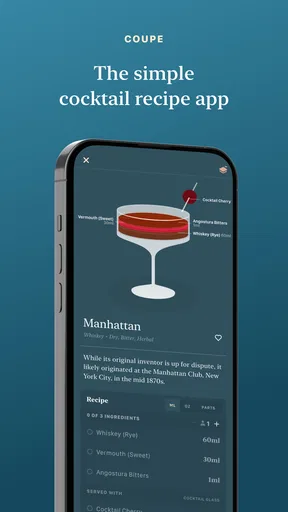
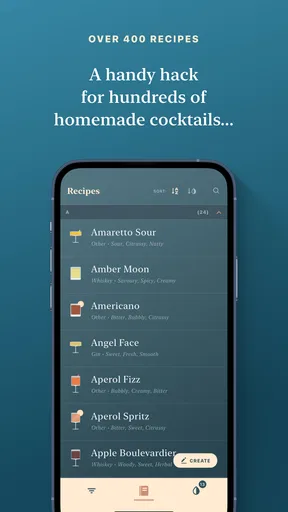
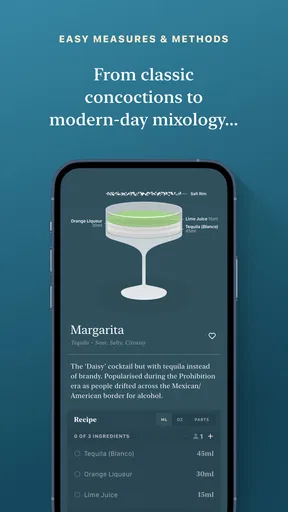
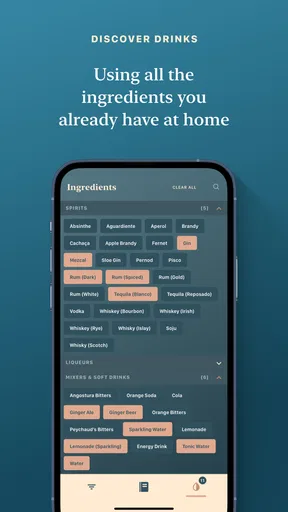
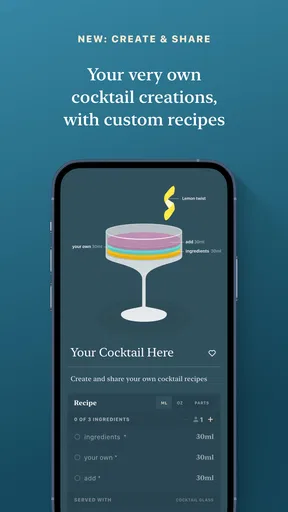
Our Review of Coupe - cocktail recipes
 Analysis by Appyee
I like cocktail apps that understand the difference between collecting recipes and actually helping someone make a drink. Coupe takes the more focused route: it is a cocktail recipe app for people who want a carefully presented home-bar reference rather than an endless feed of random combinations. After spending time with it, I found its appeal strongest when I already had a bottle, a glass, or a particular style in mind and wanted a more deliberate way to choose what to mix next.
That focus also makes the app easier to judge honestly. It is free to install, aimed at a Teen audience, and developed by Studio Kamay. Its average rating is 4.6 from over 200 ratings, while its install count has passed 10,000. Those numbers suggest a small but interested audience rather than a mass-market social platform. I would not treat popularity alone as proof of quality, but it does fit the experience: this feels like a specialized tool for curious home bartenders, not a general food app trying to cover every drink and cooking trend at once.
How Coupe feels when I use it to choose a drink
The first thing I noticed is the app’s editorial attitude. Instead of making the experience feel like a search through a huge database, it presents cocktail recipes as something to browse, consider, and return to. That is useful when I want inspiration without being overwhelmed by dozens of near-identical results. The presentation encourages me to think about the character of a drink—its base spirit, balance, and serving style—before I start pulling bottles from the shelf.
That makes it particularly comfortable for a quiet evening at home. Imagine having gin, vermouth, citrus, and a few bitters available, but no clear plan. A typical web search may produce a long list of recipes, many with uncertain measurements or unnecessary ingredients. With Coupe, the better workflow is to browse deliberately, choose one recipe that matches what is already available, and then prepare the drink without constantly switching between pages or fighting unrelated content.
I also found that the app suits a host who wants to offer something more considered than a basic mixed drink. If friends are coming over, I can use the recipe collection as a short planning tool: pick one or two styles, check whether the ingredients overlap, and avoid buying a completely different bottle for every guest. The app is more valuable in that situation than a social feed because it keeps attention on the drink itself rather than on comments, trends, or user popularity.
The name and presentation naturally suggest an interest in classic cocktail culture, but I would not use this as a substitute for a full bartender training course. A recipe can tell me what to combine, yet it cannot replace practice with dilution, temperature, pouring, or garnish. Beginners should expect to learn by making a drink, tasting it, and adjusting their technique over time. That is not a flaw unique to this app; it is simply the boundary between a recipe reference and hands-on instruction.
A focused alternative to general recipe apps
Compared with broad food applications, Coupe feels less cluttered because the subject is narrow. General recipe apps are useful when I need dinner ideas, shopping lists, nutrition information, or step-by-step cooking guidance. They are usually not designed around the small details that matter when mixing a cocktail, such as choosing the right serving vessel, keeping a drink cold, or understanding why a stirred recipe behaves differently from a shaken one.
Compared with a web search, the advantage is concentration. Search engines are excellent when I know the exact name of a drink or need a substitution immediately, but they can lead me toward copied recipes, inconsistent terminology, and pages buried under advertising. Coupe gives me a calmer starting point. The trade-off is breadth: if I am looking for an obscure regional drink, a highly specialized ingredient, or a recipe built around whatever is left in my cupboard, a broad search may still be faster.
It also differs from social cocktail communities. Those communities can be useful for seeing variations and learning from other people’s experiments, but they may make it harder to decide which recipe deserves my attention. Coupe’s quieter, curated approach is better for someone who wants a dependable reference. Someone who enjoys posting photographs, comparing techniques, or asking a crowd for substitutions may prefer a community-based service instead.
Trust starts with knowing what kind of tool this is
For me, trust in a small recipe app comes less from grand claims and more from clear expectations. Coupe presents itself as a cocktail book, so I judge it by whether it helps me browse and use recipes without pretending to be a bar-management system, a shopping service, or a social network. That limited purpose is reassuring because I know what I am opening the app to do.
The app is free, but in-app purchases cost $6.49 per item. That is worth keeping in mind before becoming dependent on a particular part of the collection. I would start by exploring the free experience and deciding whether the organization and writing style suit me. A paid item can make sense for someone who wants to support a focused recipe product, but I would not recommend buying anything simply because I enjoy the visual presentation. The useful question is whether the additional material changes what I can make at home.
Its current version is 2.2.1 and it supports devices running Android 5.0 or later. That broad compatibility is convenient for people using an older phone as a kitchen or bar reference. At the same time, an older supported operating system does not tell me how well the app will feel on every device, so I would still keep the phone charged and avoid relying on any recipe app as my only preparation plan during a busy gathering.
Permissions, data choices, and moments that deserve attention
When I review an app through a privacy lens, I try not to turn assumptions into facts. I do not infer data practices from the app’s category, its small audience, or its polished design. Instead, I look at the permission prompts and any visible choices presented while using it. That is the right habit with Coupe as well: read each request when it appears, consider whether it is relevant to browsing recipes, and decline anything that does not match the way I intend to use the app.
A cocktail recipe book should not need much personal context to be useful. My preferred approach is therefore simple: use it as a reference, avoid entering personal information unless a clear feature genuinely requires it, and check the device’s app settings if I later want to review or change access. This is not a claim about hidden behavior; it is a practical way to keep control over an app that I mainly need for reading recipes.
The most data-sensitive moment is often not the recipe itself but an optional account, purchase, or external interaction. If Coupe presents a sign-in choice, I would pause before creating an account and ask what I gain from doing so. If I only want to browse drinks, an account may not be necessary for my use. If a purchase screen appears, I would check what the item unlocks and whether the payment is a one-time purchase before confirming. Taking a few seconds here prevents the common mistake of treating a casual kitchen app as if every prompt deserves an immediate response.
Notifications deserve the same attention. A reminder about a saved recipe could be useful to one person and annoying to another. I prefer to leave notifications off unless they solve a real problem, such as helping me remember a planned drink for an event. The important point is that the choice should remain mine. A recipe app should fit around my routine rather than quietly becoming another source of interruptions.
Small workflows that make the app more useful
One of my favorite ways to use Coupe is as a three-stage selection tool. First, I choose the base spirit already available. Second, I narrow the options by the kind of evening I am having: something crisp, spirit-forward, refreshing, or suitable for serving to several people. Third, I check the ingredient list before committing. This prevents the familiar situation where I select a beautiful-looking drink and only then discover that it depends on a bottle I never use.
A second useful habit is to treat the recipe as a starting point for controlled comparison. I make the drink as written the first time, then change only one factor on a later attempt—perhaps the amount of dilution, the amount of citrus, or the garnish. Changing one thing at a time helps me understand the recipe instead of randomly altering everything and blaming the app when the result is unbalanced. This is especially valuable for new home bartenders who want to develop taste rather than merely follow instructions.
There is also a practical hosting workflow. Before shopping, I choose a small group of recipes with overlapping ingredients. For example, I might select drinks that share one spirit and a common citrus component while differing in texture or serving style. That gives guests a choice without turning the bar into a collection of half-used specialty bottles. The app does not need to be a formal event planner for this to work; its value is in helping me make a more disciplined selection.
Finally, I recommend keeping a personal note outside the app about what worked. I record whether the drink was too sweet, too sharp, too strong, or difficult to prepare with my available tools. This is a small but important limitation of any curated recipe book: it may guide the first attempt, but only my own tasting notes can adapt it to my glassware, ice, ingredients, and preferences. That personal record becomes more valuable than repeatedly browsing without learning from earlier results.
Where the experience may frustrate me
The same curation that gives Coupe its identity can feel restrictive. If I want a huge catalog, automatic ingredient substitutions, nutritional breakdowns, or a shopping list built from several recipes, I may find a broader cocktail platform more practical. I would also look elsewhere if my main interest is alcohol-free drinks, large-batch service, or highly technical professional bartending. A focused cocktail book does not automatically cover every drinking occasion.
There is a learning curve around ingredients too. A recipe can be easy to read but still assume that I know the difference between a particular vermouth, bitter, liqueur, or preparation method. When I am unsure, I prefer to verify the ingredient separately rather than making an arbitrary substitution. The wrong replacement can change the balance more than a beginner expects, especially in a short drink where every component is noticeable.
Another trade-off is that a phone is not always the ideal bar companion. Wet hands, dim lighting, and a crowded counter can make any screen-based recipe awkward. I usually read the recipe before starting, gather the ingredients, and then keep the phone somewhere safe rather than touching it after every step. This simple preparation reduces friction and also lets me concentrate on measuring and chilling the drink.
The Teen content rating is sensible for a cocktail-focused application, but adults should still use judgment about the setting in which they introduce the app or its recipes. The app is about preparing drinks, not encouraging excessive consumption. I would use it as a craft and hospitality reference, measure carefully, and keep responsible serving in mind when making cocktails for other people.
Who should install it, and who should pass
I would recommend Coupe to an adult home bartender who values selection over quantity. It is a good match if I want a refined recipe reference, enjoy trying classic-style drinks, and prefer a calmer browsing experience to a noisy social feed. It is also appealing for someone building a small home bar, because a curated collection can encourage better buying decisions than chasing every ingredient mentioned in a random online recipe.
I would be more cautious recommending it to someone who wants a complete education in mixology. That person may be better served by a course, a detailed bartending book, or a resource with technique demonstrations and explanations of dilution, ice, and balance. I would also point a highly experimental user toward a broader database if discovering unusual combinations is more important than following a considered selection.
People who avoid alcohol should check whether the available recipes fit their needs before making the app part of their routine. Likewise, anyone looking for meal planning, mocktail specialization, or automatic pantry management should choose a tool built around those priorities. Coupe makes the most sense when the central task is choosing and preparing cocktails, not when cocktails are only a small part of a larger food-and-drink workflow.
My cautious verdict after using it
Coupe succeeds because it stays recognizable as a cocktail book. I like that it gives me a focused way to browse, plan, and make a drink without forcing the experience into a social network or a general recipe marketplace. Its strongest practical benefit is not simply having recipes on a phone; it is helping me slow down, choose ingredients with intention, and approach home bartending as a repeatable skill.
Still, I would install it with realistic expectations. The free price makes trying it easy, while the $6.49 in-app purchase price per item means I would inspect any paid content carefully before committing. I would also review permission prompts, account options, notifications, and purchase details as they appear, because user control matters even in a small recipe app. Those checks take little time and keep the experience aligned with what I actually want from it.
My final view is positive but specific: this is a worthwhile choice for a curious home bartender who wants a polished, curated cocktail reference and is happy to supply the hands-on judgment. It is not the right tool for every drink-related need, and a larger database or educational resource may be better in several situations. If your ideal evening involves choosing one well-considered recipe, preparing it carefully, and learning from the result, I think Coupe is worth exploring.
Verdict
Strengths of Coupe - cocktail recipes
- Clear step-by-step instructions make recipes easy to follow.
- Useful ingredient measurements help maintain consistent cocktail results.
- Recipe browsing is convenient for discovering drinks by occasion or style.
- Compact format makes recipes quick to check while preparing a drink.
- Good source of inspiration for beginners and home cocktail enthusiasts.
Limitations of Coupe - cocktail recipes
- Some recipes may require specialty spirits or uncommon ingredients.
- Limited guidance may be provided for ingredient substitutions.
- Cocktail results can vary depending on glassware and available equipment.
- Not every recipe may include detailed nutritional or alcohol information.
- Users may need to verify measurements for their preferred serving size.
Similar Picks in This Category
View All
Rappi: Food Delivery, Grocery
Rappi, Inc - Delivery3.5

McDonald’s: Cupons e Delivery
Arcos Dorados4.3

Swiggy: Food Instamart Dineout
Swiggy4.7

Blinkit: Groceries & more
Blinkit4.8

foodpanda: food & groceries
Foodpanda GmbH a subsidiary of Delivery Hero SE4.0

Zomato: Food Delivery & Dining
Zomato4.7
Frequently Asked Questions
What is Coupe - cocktail recipes, and what can I do with it?
Coupe - cocktail recipes is a recipe app focused on mixed drinks and cocktails. It provides inspiration for preparing classic and modern beverages, usually with ingredient lists, preparation instructions, and serving information. After exploring the app, users can browse recipes to discover new combinations, check what ingredients they need, and follow the steps while mixing drinks at home. It is best viewed as a practical reference and source of ideas rather than a replacement for professional bartending guidance.
Does Coupe - cocktail recipes include recipes for beginners?
Yes, the app can be useful for beginners because cocktail recipes are generally presented in a structured format that makes them easier to follow. Users can start with drinks requiring common ingredients and simple preparation methods before moving on to more elaborate recipes. However, beginners should still pay attention to measurements, glassware, ice, and techniques such as shaking or stirring, since these details can significantly affect the final taste and presentation.
Do I need special equipment or unusual ingredients to use the app?
Not necessarily. Many recipes can be prepared with basic home-bar items, such as a glass, spoon, measuring tool, ice, and a way to mix or shake ingredients. Some recipes may require a cocktail shaker, strainer, garnish, or less common syrups and spirits. Before choosing a drink, it is worth checking the complete ingredient list and preparation instructions so you can confirm that you have the necessary supplies or identify suitable substitutions.
Can I use Coupe - cocktail recipes without an internet connection?
Offline availability may depend on how the application stores its recipe content and on the version installed on your Android or iOS device. Some apps load recipes online, while others keep at least part of their database available after installation. For the most reliable experience, open the recipes you plan to use before leaving home and verify that their instructions remain accessible without a connection. Also keep the app updated for improved stability and content support.
Is Coupe - cocktail recipes suitable for everyone, and are there any safety considerations?
The app is intended for adults who choose to prepare alcoholic beverages responsibly. Recipes may contain spirits, liqueurs, wine, or other alcoholic ingredients, so they should not be consumed by minors, pregnant people, or anyone who must avoid alcohol. Never drink and drive, and be careful with serving sizes and alcohol strength. Users can also look for non-alcoholic alternatives, but should verify every ingredient rather than assuming a recipe is alcohol-free.
